How to Select a Professional Welding Service for Your Metal Fabrication Needs?
Selecting a professional welding service is a critical decision in any metal fabrication project, as the quality of welding directly impacts structural strength, safety, and long-term performance. Whether it involves industrial components, construction frameworks, automotive parts, or custom metal designs, precision welding ensures durability and compliance with engineering standards. In industries where load-bearing capacity and material integrity matter, choosing the right welding expertise becomes essential rather than optional.
Modern fabrication demands go beyond basic joining techniques. Advanced welding processes, material compatibility knowledge, and adherence to safety regulations all play a significant role in delivering reliable outcomes. Poor welding can lead to weak joints, premature failure, and costly repairs, making the selection process a key investment decision. Understanding how to evaluate a welding service helps ensure that every project meets both technical expectations and industry benchmarks.
This guide provides a structured approach to selecting a professional welding service for metal fabrication needs. It focuses on essential evaluation criteria, technical capabilities, quality standards, and decision-making factors. By understanding these elements, it becomes easier to identify a welding provider that delivers precision, consistency, and long-term value across different fabrication applications.
Understanding Welding Requirements for Metal Fabrication
Identifying Project Specifications Clearly
Every fabrication project begins with a clear definition of requirements. Material type, thickness, load expectations, and environmental exposure all influence welding decisions. Stainless steel, aluminum, and carbon steel each demand different welding techniques and skill levels. A professional welding service must demonstrate the ability to adapt methods based on these variables.
Matching Welding Processes to Applications
Different welding processes such as MIG, TIG, Stick, and Flux-Cored welding serve different purposes. MIG welding is commonly used for speed and efficiency in structural applications, while TIG welding is preferred for precision and aesthetic finishes. Understanding which process suits the project ensures stronger and more reliable results. A qualified service provider should guide us through process selection based on technical needs rather than convenience.
Importance of Industry Standards
Compliance with industry standards such as AWS (American Welding Society) guidelines ensures safety and quality assurance. Certified welding practices reduce risks of structural failure and ensure consistency across fabrication projects. Evaluating whether a service follows these standards is a fundamental step in the selection process.
Real-World Application Insight
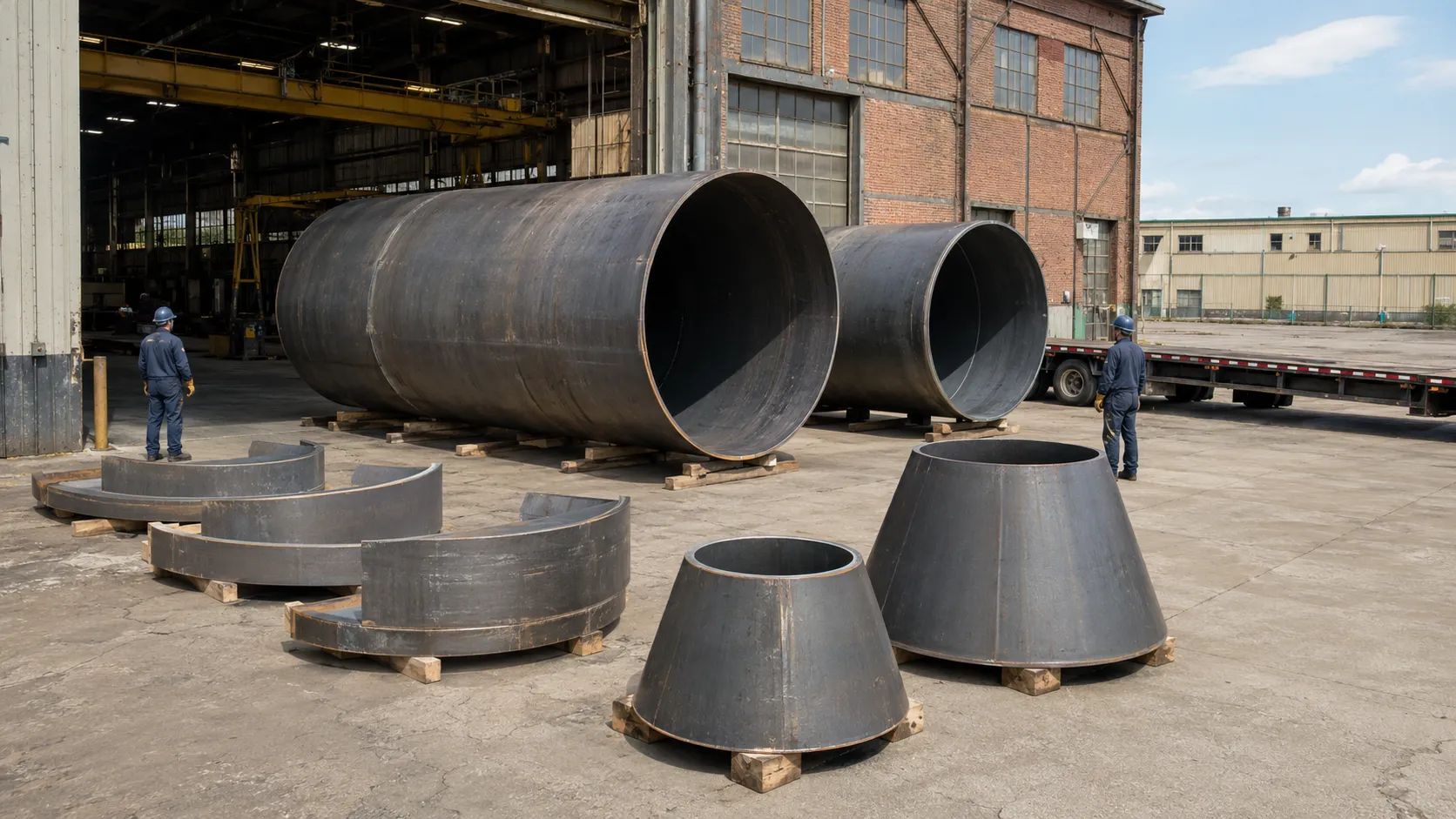
In heavy machinery fabrication, incorrect weld selection can lead to equipment breakdown under stress. Similarly, in architectural metalwork, poor finishing affects both safety and appearance. A professional service ensures alignment between design intent and structural performance, reducing long-term operational risks.
Evaluating Technical Expertise and Certifications
Importance of Certified Welders
Certification reflects formal training and proven competence in welding techniques for industrial applications. Certified professionals demonstrate understanding of metallurgy, heat control, and joint integrity under demanding conditions. This ensures consistent quality across different fabrication requirements and structural applications.
Assessing Experience in Metal Fabrication
Experience plays a crucial role in handling complex welding tasks across diverse industries. Skilled welders understand how different metals react under heat and pressure during fabrication processes. This allows better control over distortion, cracking, and joint weakness in critical applications. Reviewing past project experience provides insight into technical capability and reliability.
Equipment and Technological Capability
Modern welding requires advanced equipment for precision and efficiency in fabrication work. CNC-controlled welding systems, laser welding tools, and modern fabrication machinery improve accuracy and reduce operational errors significantly. A well-equipped service ensures higher consistency in output quality and long-term structural reliability.
Problem-Solving Skills in Complex Projects
Fabrication projects often present unexpected challenges such as material incompatibility or evolving design limitations. A professional welding service must demonstrate adaptability, quick thinking, and strong problem-solving ability in such situations. This ensures project continuity without compromising quality, deadlines, or structural performance standards.
Example Scenario
In structural steel fabrication for commercial buildings, alignment issues can arise due to material expansion under heat. Skilled welders adjust techniques in real time to maintain structural integrity and precise alignment. This level of expertise separates professional services from basic welding providers significantly in real-world applications.
Quality Assurance and Safety Standards
Inspection and Testing Procedures
Quality assurance involves multiple stages of inspection, including visual checks, ultrasonic testing, and radiographic evaluation methods. These methods ensure weld integrity and detect hidden defects before structural failure occurs. A reliable service integrates testing into every project stage for maximum safety assurance.
Safety Protocols in Welding Operations
Welding involves high heat, electrical risks, and exposure to hazardous fumes during fabrication work. Strict safety protocols protect both workers and structural outcomes across all job sites. Proper ventilation, protective gear, and controlled environments are essential for safe and compliant operations.
Material Integrity and Longevity
High-quality welding ensures that metal joints maintain strength under stress, load, and environmental exposure conditions. Poor welding can result in corrosion, cracks, and eventual structural failure over time. Quality-focused services prioritize long-term durability and performance over short-term output efficiency.
Documentation and Traceability
Professional welding services maintain detailed records of materials, processes, inspections, and project specifications consistently. This traceability supports accountability and ensures compliance with engineering and regulatory standards. It also helps in future maintenance planning and structural repair assessments.
Industry Best Practice Insight
In oil and gas fabrication, even minor welding defects can lead to severe operational risks and safety hazards. Strict quality control systems eliminate such vulnerabilities and ensure safe long-term performance under extreme industrial conditions worldwide.
Cost, Reliability, and Project Delivery
Understanding Pricing Structures
Welding service costs depend on material type, project complexity, labor intensity, and equipment usage requirements overall. Transparent pricing ensures clarity and prevents unexpected expenses during project execution phases. A detailed estimate helps us evaluate cost-effectiveness without compromising quality or safety standards.
Balancing Cost and Quality
Choosing the lowest-cost option often results in reduced durability, weak joints, and higher maintenance expenses later. A balanced approach focuses on long-term value rather than immediate savings during selection. Quality welding reduces repair frequency and enhances structural reliability significantly over time.
Project Timelines and Efficiency
Timely delivery is essential in fabrication projects, especially in industrial and large-scale construction sectors globally. Delays can impact overall project schedules, coordination, and increase operational costs significantly. A reliable service maintains realistic timelines and ensures consistent progress tracking throughout execution.
Communication and Coordination
Clear communication throughout the project ensures alignment between design expectations and actual fabrication execution results. Regular updates help prevent misunderstandings and ensure smooth workflow across all project stages. Strong coordination reflects professionalism, discipline, and operational efficiency in service delivery.
Practical Example
In manufacturing assembly lines, delayed welding work can halt entire production cycles and operational output significantly. Efficient welding services help maintain workflow continuity and prevent financial losses due to downtime issues effectively.
Choosing the Right Partner for Long-Term Value
Evaluating Reputation and Reliability
A strong reputation indicates consistent service quality, reliability, and customer satisfaction across multiple projects. Reviews, referrals, and project history provide valuable insights into overall service dependability and trustworthiness. A dependable welding service prioritizes long-term relationships over one-time transactional engagements.
Customization and Flexibility
Every fabrication project has unique requirements based on design, materials, and engineering specifications involved. A professional service must offer flexible solutions tailored to specific technical and structural needs. Custom fabrication capability ensures better alignment with project goals and performance expectations.
After-Service Support and Maintenance
Post-project support plays an important role in maintaining weld performance and structural integrity over time. Services that offer inspection and maintenance support help extend structural life and reduce long-term risks effectively. This ensures continued reliability beyond project completion stages.
Innovation in Welding Practices
Advanced welding techniques and continuous improvement reflect a strong commitment to excellence and industry advancement. Adoption of modern technologies enhances precision, efficiency, and overall fabrication quality standards significantly. Innovation ensures superior outcomes across diverse welding applications and industries.
Final Selection Insight
The right welding partner combines technical expertise, quality assurance, reliability, and consistent execution across all projects. This combination ensures consistent performance across diverse fabrication applications and long-term structural integrity under all conditions.
Reliable Industrial Welding Partner Ensuring Structural Strength
Harvey Brothers Inc.
stands as a trusted authority in
welding and metal fabrication
services in Cincinnati, Ohio, backed by 100
years of industry experience. The approach focuses on precision engineering, structural reliability, and consistent quality delivery across diverse fabrication needs. Extensive experience in handling complex welding projects ensures dependable results that meet modern industrial standards. Commitment to craftsmanship and technical excellence supports long-term durability and performance in every project undertaken. Strong adherence to safety protocols and quality assurance systems reinforces trust and confidence in every fabrication solution delivered.