Maximizing Efficiency: Selecting an Expert Angle Rolling Provider for Your Projects
In industrial and manufacturing projects, precision and efficiency are paramount. Among the various processes that demand meticulous attention, angle rolling stands out as a critical operation for producing structural steel components with exact specifications. Whether constructing bridges, fabricating complex machinery, or completing large-scale structural installations, the choice of an angle rolling provider can significantly impact project timelines, quality, and overall costs. Companies often face the challenge of balancing speed with accuracy, and selecting the right expert provider ensures both objectives are met efficiently. By leveraging specialized experience, advanced machinery, and proven techniques, a skilled angle rolling provider can optimize material utilization while delivering consistent, high-quality results.
However, not all providers offer the same level of expertise or technological capability. Selecting the right partner requires more than just comparing quotes; it involves assessing industry experience, technical capabilities, customer service, and adherence to safety standards. This blog explores how project managers and engineers can maximize efficiency by selecting an expert angle rolling provider. We will discuss key considerations, best practices, potential challenges, and actionable insights that can help organizations make informed decisions and achieve superior project outcomes.
Understanding the Role of an Angle Rolling Provider
What Angle Rolling Is and Why It Matters
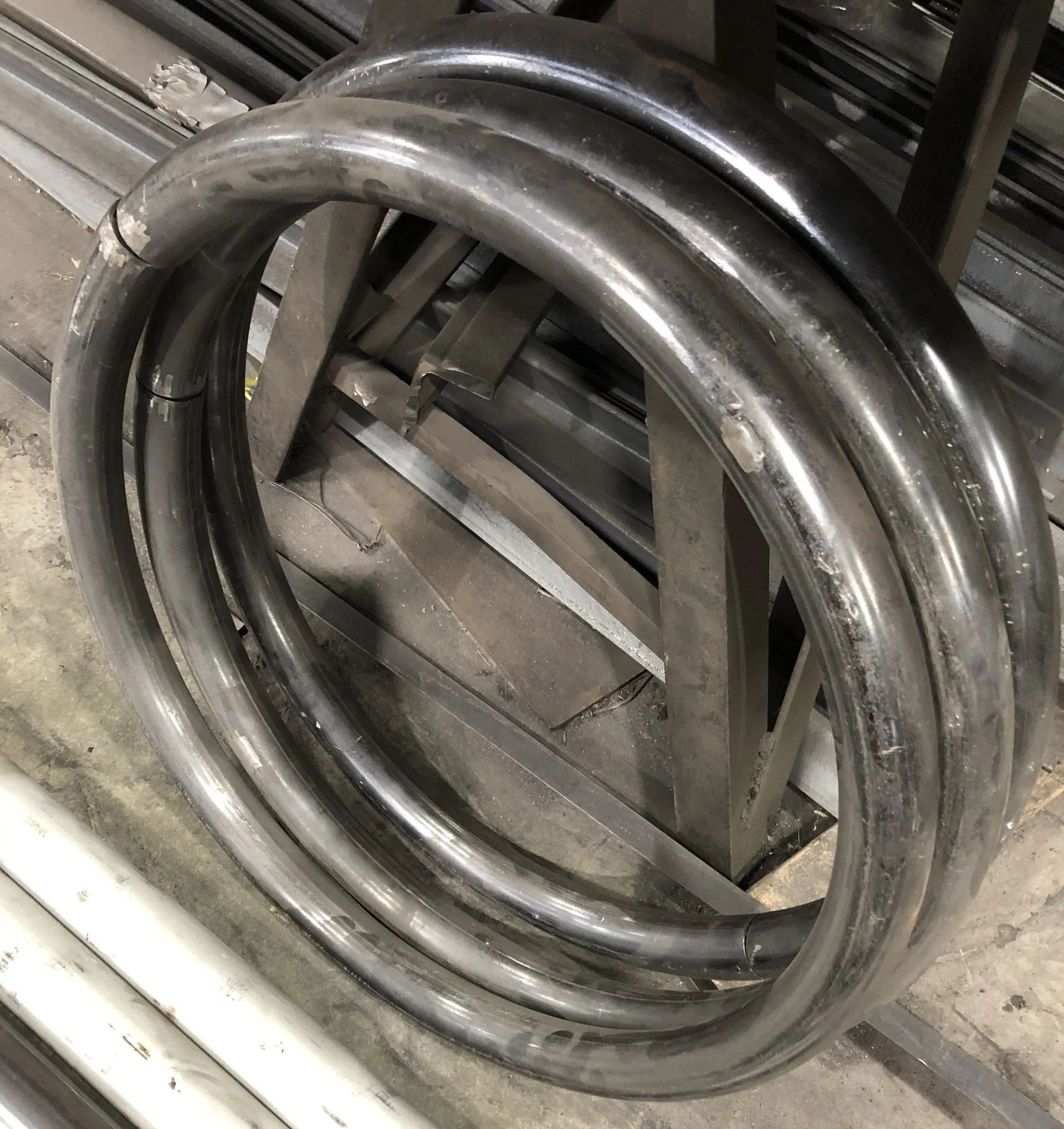
Angle rolling is the process of bending or rolling metal angles into precise curves or arcs without compromising structural integrity. It is commonly used in construction, fabrication, and heavy machinery projects, where precise dimensions and consistent quality are critical. Incorrectly rolled angles can result in misaligned components, increased waste, or even structural failure, making the expertise of the provider essential.
Key Capabilities of an Expert Provider
An expert angle rolling provider should demonstrate technical proficiency across several dimensions:
- Material Handling Expertise: Ability to work with diverse metals, including steel, aluminum, and specialized alloys, ensuring minimal distortion.
- Precision Equipment: Advanced rolling machines capable of handling varying thicknesses and radii.
- Customization: Capacity to produce non-standard angles or complex curves tailored to project specifications.
By understanding the provider’s capabilities, project managers can anticipate potential challenges and select a partner equipped to handle complex demands efficiently. This initial assessment forms the foundation for maximizing operational efficiency.
Key Considerations When Selecting a Provider
Industry Experience and Track Record
Experience is a crucial indicator of reliability and competence in angle rolling projects. Providers with a strong track record have typically overcome common production challenges, allowing them to offer efficient solutions and effectively mitigate potential risks before they escalate. Reviewing past projects, client testimonials, and detailed case studies can reveal the provider’s ability to handle high-volume, complex, or custom orders successfully, ensuring consistency and quality on every assignment.
Technology and Equipment
Modern angle rolling requires precision machinery and advanced technological integration to maintain high standards. Providers that invest in up-to-date rolling equipment, CNC-controlled machines, and automated systems can maintain consistent quality while minimizing human error and production delays. Assessing the technology in use helps determine the provider’s capacity to meet stringent project specifications.
Compliance and Safety Standards
Safety is non-negotiable in metal fabrication, particularly when dealing with structural steel components. Reputable providers adhere to strict industry standards such as ASTM or ISO certifications, demonstrating compliance with material quality, operational safety, and environmental regulations consistently. Ensuring the provider follows these standards reduces the risk of liability, prevents project delays, and minimizes costly accidents, creating a safer and more reliable production environment for all stakeholders involved.
Service and Support
Efficient collaboration requires clear communication, responsive support, and the ability to adapt to evolving project requirements effectively. Providers who offer technical consultation, on-site assessments, and dedicated after-sales support can significantly enhance project efficiency by preventing miscommunications and ensuring seamless integration of rolled angles into larger assemblies.
Cost vs. Value
While price is always important, the lowest bid often compromises long-term quality and overall results. Evaluating providers based on value rather than cost ensures better efficiency and reliability throughout the project. High-quality, precise rolling can reduce waste, minimize rework, and prevent project delays, ultimately offering substantial cost savings while maintaining structural integrity and meeting client expectations.
Best Practices for Working With an Angle Rolling Provider
Clear Project Specifications
Providing detailed project specifications is essential for achieving accurate and repeatable results. Include material types, dimensions, tolerances, curvature radii, and any special project requirements. This allows the provider to prepare the right equipment setup, anticipate challenges, and avoid errors during production, ultimately improving efficiency and minimizing material waste significantly.
Early Engagement in the Planning Phase
Involving the angle rolling provider early in project planning allows for proactive problem-solving and process optimization. Providers can offer expert insights on material selection, optimal rolling techniques, and potential design adjustments, which may improve efficiency, reduce costs, and prevent delays later in the construction or fabrication timeline.
Regular Communication and Progress Monitoring
Consistent communication ensures that any deviations, bottlenecks, or potential challenges are addressed promptly before they escalate. Weekly updates, progress reports, and site inspections help maintain alignment between the provider and the project team, reducing risks of misalignment, ensuring timely corrections, and supporting seamless project execution.
Quality Assurance Protocols
Implementing robust quality assurance measures guarantees that rolled angles consistently meet project specifications. Providers should conduct thorough inspections, document tolerances, and provide necessary certifications where applicable. For critical structural components, requesting sample pieces or prototypes before full-scale production helps prevent costly errors and ensures consistent quality throughout the project lifecycle.
Leveraging Provider Expertise
An experienced provider can often suggest design modifications to simplify production, reduce risks, and improve structural integrity. For instance, adjusting the curvature radius or material thickness slightly may optimize the rolling process, enhance durability, and lower overall costs without compromising project requirements or safety standards. Their technical expertise can significantly improve project efficiency.
Common Challenges and How to Overcome Them
Material Distortion
Bending metals can introduce stress or unwanted distortion if not properly controlled. Providers with precise machines, controlled rolling techniques, and stress-relief processes minimize the risk of warping, ensuring angles maintain their intended dimensions and structural integrity consistently across all pieces. Proper planning and technique are critical in avoiding production setbacks.
Tight Deadlines
Projects often demand quick turnarounds, and rushing production can compromise accuracy and quality. Selecting a provider with flexible scheduling, sufficient capacity, and experienced personnel ensures deadlines are met reliably without sacrificing precision or causing delays in the overall project timeline. Time management and advanced planning are key.
Custom and Non-Standard Orders
Complex projects frequently require angles beyond standard specifications or unconventional dimensions. Partnering with a provider experienced in custom orders ensures these components are produced efficiently, reducing delays caused by trial-and-error adjustments, material waste, or production mistakes, and helping projects stay on schedule and within budget.
Coordination With Other Trades
Angle rolling is just one component of larger construction or fabrication projects. Misalignment with welding, assembly, or installation schedules can create significant bottlenecks. Coordinating closely with other contractors and sharing production timelines ensures smooth integration, reduces errors, and maximizes overall project efficiency effectively.
Cost Overruns
Unexpected production issues, rework, or excessive material waste can drive costs higher than anticipated. Working with a provider who emphasizes precision, proactive planning, and value-driven service helps prevent overruns, enhances overall budget control, and maintains financial predictability throughout the project lifecycle. Strategic planning minimizes unnecessary expenses.
By understanding these challenges and selecting a provider equipped to handle them, project managers can safeguard against inefficiencies, reduce risks, and maintain consistent quality and reliability throughout the project lifecycle, ensuring successful outcomes and client satisfaction.
Measuring Efficiency and Performance
Establishing Key Metrics
Efficiency in angle rolling can be measured using several key performance indicators (KPIs):
- Dimensional Accuracy: The degree to which rolled angles match design specifications.
Production Speed: Time taken to complete rolling operations without compromising quality.
- Material Utilization: Minimizing scrap and maximizing use of raw materials.
- On-Time Delivery: Meeting project schedules consistently.
Tracking these metrics ensures that the provider delivers measurable value and identifies areas for improvement.
Case Study Example
A fabrication project for a commercial building required hundreds of custom angles with tight tolerances. By selecting a provider who monitored dimensional accuracy, optimized production sequencing, and implemented quality checks, the project achieved zero material rejections, on-time delivery, and minimal scrap, illustrating how performance tracking directly benefits project outcomes.
Feedback and Continuous Improvement
Post-project reviews allow teams to assess provider performance, identify successes, and highlight areas for improvement. Providers who embrace feedback and continuously refine their processes contribute to long-term project efficiency and foster reliable partnerships for future projects.
Leveraging Technology for Monitoring
Modern providers use software for production tracking, digital templates, and automated inspections. Utilizing these tools allows for accurate monitoring, quicker adjustments, and data-driven decisions that enhance efficiency across all project stages.
Trusted Experts Delivering Precision Angle Rolling Solutions
Selecting an expert
angle rolling provider is a strategic decision that directly affects project efficiency, quality, and cost management. From understanding the provider’s technical capabilities and industry experience to implementing best practices and monitoring performance, each decision layer contributes to achieving precise, timely, and cost-effective results. Harvey Brothers Inc.., based in Cincinnati, Ohio, exemplifies the qualities necessary for successful angle rolling collaborations. With a Century of experience, the company combines advanced equipment, deep industry knowledge, and a commitment to precision and reliability. Trusted by generations of clients, Harvey Brothers Inc... delivers expert solutions that streamline project workflows, reduce material waste, and uphold stringent safety and quality standards. Choosing a seasoned partner like Harvey Brothers Inc.
guarantees not only the accuracy of your rolled angles but also the confidence of working with a company dedicated to excellence and efficiency in every project.