Precision Plate Rolling: How Professionals Achieve Perfect Curves Every Time
As a technique, plate rolling is widely used in the industry, but only professionals who are time-tested can achieve the level of finesse. Plate rolling is a metalworking process that transforms flat sheets into curved shapes. It could seem very simple, but achieving perfect curves requires precision, skill, and knowledge, which is possible with a seasoned partner. The world of plate rolling needs understanding and in this article, we will uncover the secrets behind those flawless bends that professionals can attain.
The Process Of Plate Rolling Decoded
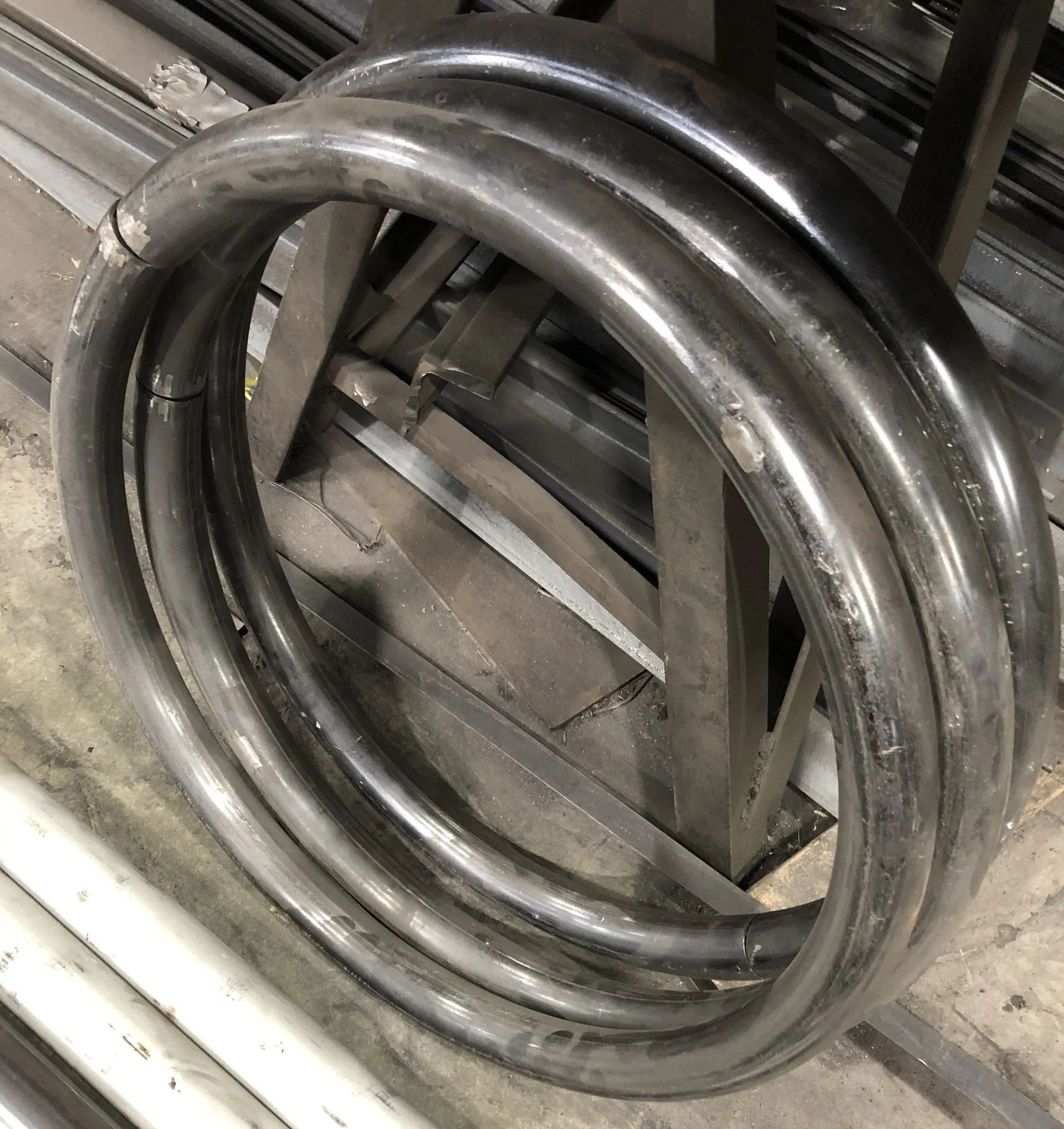
When we talk of plate rolling, the process involves passing a metal sheet through a set of rollers. When the sheet passes through, there is a lot of pressure applied by means of the rollers, and gradually the metal is bent into the shape that is desired. It's a delicate balance of force, speed, and material properties. A sharp eye and technically knowledgeable expert can bring this balance to perfection.
The Importance of Precision
In industries like shipbuilding, construction, and manufacturing, even the slightest imperfection can impact the overall structure. Precision plate rolling ensures structural integrity so that accurate curves distribute stress evenly. You can find heightened aesthetics as perfect curves enhance the visual appeal of finished products. Precisely rolled parts fit together seamlessly, saving time and materials. Thus, precision is an important aspect as is well established.
Most Important Factors for Perfect Curves
Selecting The Correct Material
It is very important to select the correct material. Different metals have varying degrees of malleability, affecting how they respond to the rolling process. Professionals carefully consider the metal's properties and choose the appropriate machine settings to prevent cracking or distortion. The thickness of the metal sheet plays an important part. Thicker sheets require more powerful machines and careful handling to avoid damage.
Careful Preparation
Preparation is quite essential for a successful plate rolling operation. The metal sheet must be free of defects, such as dents or scratches, as these imperfections can be magnified during the bending process. The edges of the sheet should be properly prepared to prevent fraying or tearing. Professionals often use cutting torches or shearing machines to create clean and even edges.
Skilled Manning
Skillful operation is paramount. Plate rolling is not merely a mechanical process; it requires a trained operator with a keen eye for detail. The operator must carefully monitor the machine's settings, the metal's behavior, and the emerging shape. Experience is invaluable, as it allows operators to anticipate potential issues and make adjustments on the fly.
Quality Control
Quality control is the final piece of the puzzle. After the rolling process, the finished product undergoes rigorous inspection to ensure it meets the required specifications. Professionals use various measuring tools and techniques to verify dimensions, shape accuracy, and surface quality. Any imperfections are corrected through additional rolling or other finishing processes.
Precision plate rolling is a skilled craft that combines art and science. By understanding the process, material properties, and machine capabilities, professionals can create flawless curves that meet the highest standards.