Angle Rolling 101: Techniques and Applications in Construction and Manufacturing
Angle rolling is a pivotal process in both construction and manufacturing, serving as a foundation for shaping metal profiles into precise, curved forms. Unlike flat metal fabrication, angle rolling allows for the bending of steel angles, channels, and other structural shapes to create arches, curves, and circular components. This technique is vital in industries where structural integrity, aesthetic design, and functional performance must align seamlessly. From constructing steel bridges to designing architectural facades, angle rolling offers engineers and fabricators the ability to transform rigid materials into dynamic, tailored structures. Its relevance continues to grow as modern construction and manufacturing demand more versatile, durable, and efficient metalworking solutions.
The process of angle rolling is more than simply bending metal—it involves understanding material behavior, machinery capabilities, and precise measurement techniques. Properly executed, angle rolling ensures that metal components retain their strength while conforming to required specifications. Mistakes can lead to costly delays, compromised safety, and structural failure. In this comprehensive guide, we explore the fundamental techniques, equipment, and applications of angle rolling, along with practical tips and industry insights. Whether you are a seasoned fabricator or a construction professional exploring new methods, understanding the nuances of angle rolling is essential to delivering high-quality, reliable projects in today’s competitive landscape.
1. Understanding Angle Rolling: Fundamentals and Principles
What is Angle Rolling?
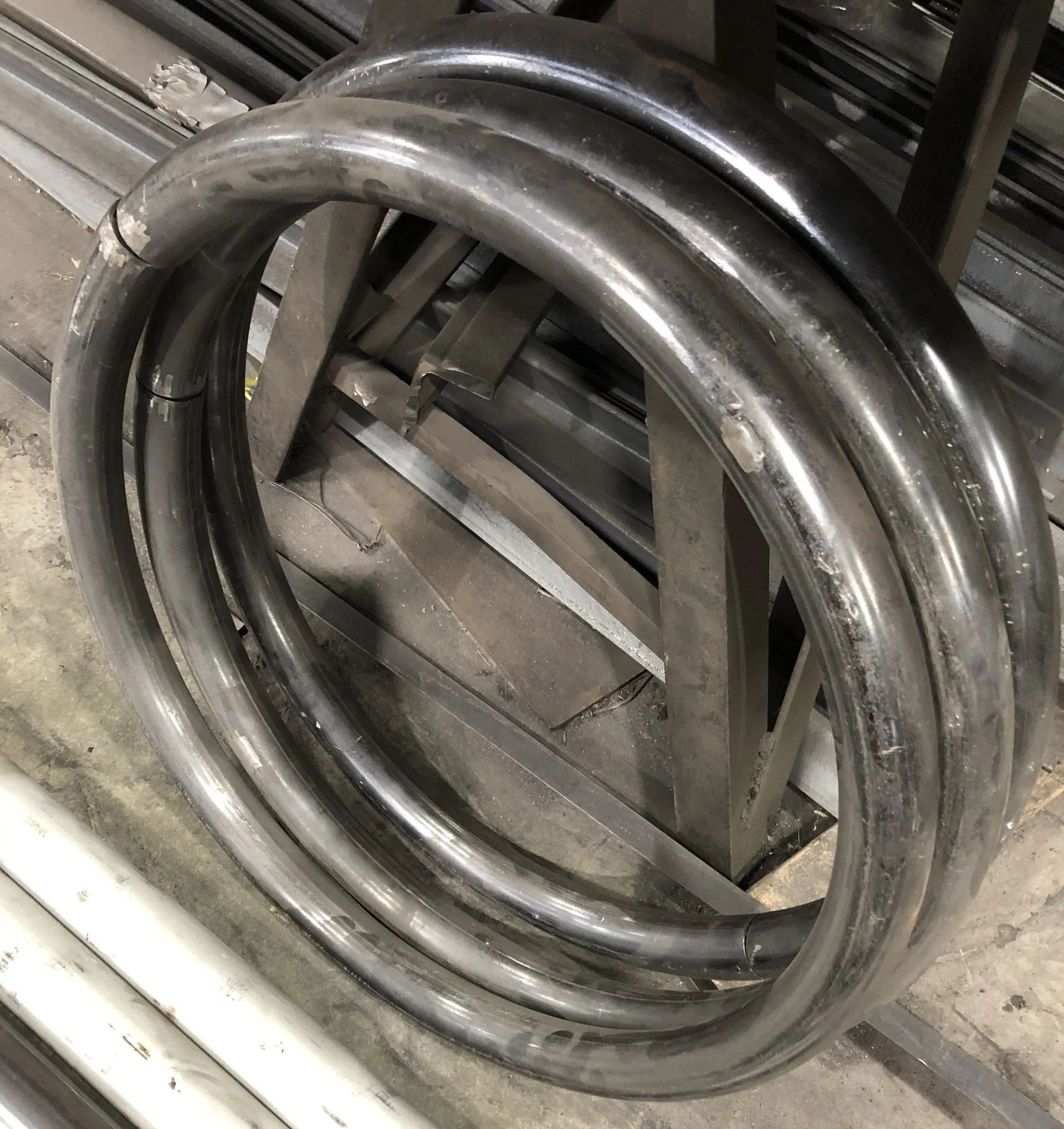
Angle rolling refers to the controlled bending of steel angles and profiles along a curved path without compromising their structural integrity. Unlike traditional plate bending, angle rolling is specifically tailored for L-shaped, U-shaped, or other structural profiles. The process enables the creation of circular beams, arched frames, and curved supports used extensively in bridges, stadiums, and industrial machinery, providing both strength and design flexibility.
Material Considerations
The success of angle rolling largely depends on material selection. Steel, aluminum, and stainless steel are the most commonly used metals due to their ductility and strength. Factors like yield strength, tensile strength, and thickness must be assessed prior to rolling to avoid cracking, twisting, or deformation. For instance, mild steel with moderate thickness offers excellent flexibility, while high-strength steel may require pre-heating or specialized machinery to ensure optimal rolling performance.
Geometric Precision
Achieving precise curvature requires a combination of careful calculation and skilled operation. Engineers typically use the radius of curvature, section modulus, and bending allowance to determine the correct roll settings. Inaccurate measurements can result in over-bending or spring-back, leading to mismatched components and increased waste. Careful monitoring during rolling operations is critical to achieving consistent, high-quality results.
2. Angle Rolling Techniques: Methods and Equipment
Common Techniques
There are several techniques for angle rolling, each suited for specific applications:
- Three-Roll Bending: The most common method, utilizing a set of three rollers to gradually bend the material. Adjusting the middle roller applies force to achieve the desired curvature.
- Press Bending: Ideal for short sections or heavy-duty angles. A hydraulic press applies uniform force to bend the angle along a fixed die.
- Stretch Forming: Involves stretching the metal while rolling it to achieve smooth, consistent curves. This method is often used in aerospace or precision construction.
Equipment Overview
The machinery used in angle rolling ranges from manual rolling machines for small projects to fully automated CNC angle rollers for industrial-scale fabrication. Key equipment features include:
- Adjustable Rollers: Enable different radii and profile sizes.
- Motorized Drives: Ensure consistent force and smooth rolling.
- Digital Control Panels: Allow operators to set precise curvature and monitor material stress.
Best Practices for Operators
Operators should ensure proper alignment of the angle, maintain consistent speed, and avoid abrupt pressure changes. Regular maintenance of rollers, lubrication, and calibration significantly improves quality and reduces downtime. Safety gear, including gloves and eye protection, is mandatory to prevent injuries from sharp edges or material snapping.
3. Applications in Construction
Structural Frameworks
Angle rolling is indispensable for structural frameworks in construction. Curved steel beams and arched supports provide both aesthetic appeal and load-bearing efficiency. For instance, modern stadiums often use rolled angles for roofing trusses, combining architectural elegance with robust support while ensuring long-term durability under heavy loads.
Bridges and Infrastructure
In bridge construction, angle rolling allows for precise shaping of steel girders and arches. Curved components help distribute load evenly, enhancing structural stability. Many suspension and arch bridges incorporate angle-rolled elements to achieve long spans without additional intermediate supports, reducing material stress and maintenance requirements significantly over time.
Architectural Design
Beyond functional use, angle rolling contributes to creative architectural designs. Curved facades, spiral staircases, and decorative railings often require custom-rolled angles. Fabricators can produce intricate shapes that meet both structural and aesthetic requirements, enabling architects to achieve innovative designs without compromising safety or structural integrity in complex building projects.
Challenges in Construction
Working with large sections can be challenging due to material weight, required bending radii, and handling logistics. Fabricators must also consider on-site installation constraints, ensuring rolled components are delivered in a manageable form and maintain structural integrity during transportation, especially when navigating tight construction site conditions safely.
4. Applications in Manufacturing
Industrial Equipment
In manufacturing, angle rolling is frequently used to produce conveyor systems, machinery frames, and custom equipment supports. Rolled angles allow engineers to design efficient layouts that conform to space constraints while supporting dynamic loads.
Automotive and Aerospace
High-precision angle rolling is critical in automotive and aerospace manufacturing. Roll-formed components contribute to vehicle frames, engine mounts, and chassis structures. In aerospace, stretch forming and controlled rolling ensure lightweight yet strong curves for fuselage and wing components, enhancing performance and safety.
Metal Fabrication Shops
Fabrication shops rely on angle rolling to provide bespoke solutions for clients. Custom curvatures, unique radii, and non-standard profiles are achievable with advanced rolling machines. By offering these capabilities, shops can handle specialized projects ranging from industrial shelving systems to artistic installations.
Benefits for Manufacturers
- Material Efficiency: Angle rolling minimizes waste by producing exact curves with minimal trimming.
- Time Savings: Rolled components often require fewer welds and adjustments, speeding up assembly.
- Enhanced Strength: Controlled rolling preserves structural properties compared to manual bending, ensuring durability under heavy loads.
5. Challenges and Considerations in Angle Rolling
Material Limitations
Not all metals roll equally well. High-carbon steels and alloys with low ductility may crack if rolled without proper preparation. Pre-heating, reducing rolling speed, and using multiple passes can mitigate these risks and help maintain consistent curvature across different metal thicknesses.
Spring-Back Effect
Metal naturally tends to return slightly toward its original shape after bending, known as spring-back. Calculating this effect is critical to ensure the final curvature matches specifications. Experienced operators often compensate by over-bending slightly to achieve the intended radius with precise accuracy.
Equipment Constraints
Smaller or outdated machines may not accommodate wide angles or thick profiles. Manufacturers and construction firms must choose equipment based on project scale and material type to avoid underperformance or machine damage while ensuring efficient workflow and high-quality finished products.
Safety and Training
Angle rolling requires skilled labor. Untrained operators risk accidents, material wastage, and compromised structural integrity. Continuous training, safety protocols, and adherence to manufacturer guidelines are essential for both efficiency and workplace safety while minimizing downtime and maintaining consistent product quality.
6. Best Practices and Expert Insights
Pre-Rolling Preparation
- Material Inspection: Check for cracks, rust, or imperfections.
- Measurement Accuracy: Ensure precise calculation of bending radii and allowance.
- Equipment Calibration: Adjust rollers, set tension, and confirm machine readiness.
Rolling Techniques
- Apply gradual pressure rather than sudden force to prevent distortion.
- Use multiple passes for thicker angles to maintain control.
- Monitor for twisting or warping and correct immediately.
Post-Rolling Process
- Inspect curvature against design specifications.
- Conduct stress tests or bend tests to confirm material integrity.
- Apply finishing treatments such as galvanizing or painting to protect against corrosion.
Industry Insight
Experts emphasize the combination of skill, experience, and advanced machinery in achieving high-quality angle rolling results. Investing in operator training, precise planning, and modern equipment ensures projects meet stringent safety, durability, and aesthetic standards.
Dependable Solutions for Complex Metal Fabrication Needs
Angle rolling is a cornerstone technique in construction and manufacturing, enabling the creation of precise, durable, and aesthetically appealing metal structures. From architectural curves to industrial machinery frames, its applications are broad and impactful. Understanding material properties, rolling techniques, equipment capabilities, and best practices is critical to achieving consistent, high-quality results. By mastering these elements, fabricators and engineers can optimize production, enhance structural integrity, and expand design possibilities. This expertise also reduces material waste, minimizes costly errors, and ensures long-term performance for complex projects.
Harvey Brothers Inc., located in Cincinnati, Ohio, has been at the forefront of steel fabrication and angle rolling for over 100
years. Our century-long experience combines traditional craftsmanship with modern technology, delivering superior metal solutions for construction and manufacturing projects nationwide. With an unwavering commitment to quality, precision, and client satisfaction, we provide expertise in rolling, bending, and custom steel fabrication that ensures every project meets the highest standards. Partnering with Harvey Brothers Inc.
means working with a trusted authority capable of turning complex designs into reliable, expertly crafted structural components. Whether for industrial, commercial, or architectural applications, our team delivers excellence with every angle rolled. We continually invest in advanced machinery and operator training to maintain cutting-edge capabilities and unmatched project efficiency.