How Channel Rolling Enhances Industrial and Commercial Construction Projects
Channel rolling is a technique that plays a crucial role in construction, making materials stronger, more durable, and easier to work with. By shaping metal into a “C” or “U” form, channel rolling creates steel components that are perfect for supporting heavy loads and providing stability. This process isn’t just about creating materials; it’s about improving the overall construction process, saving time and money while ensuring the safety and reliability of the final project.
What Is Channel Rolling?
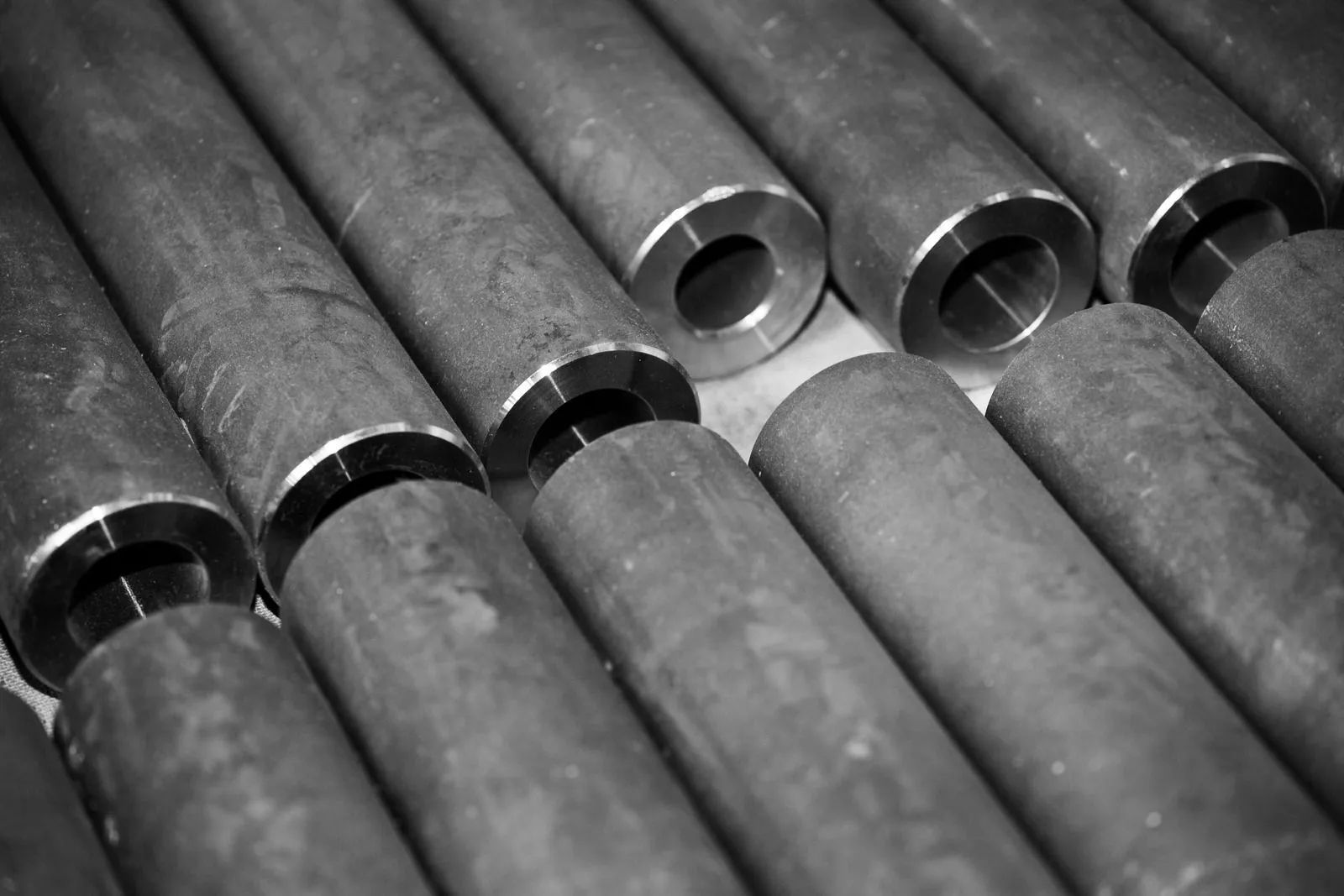
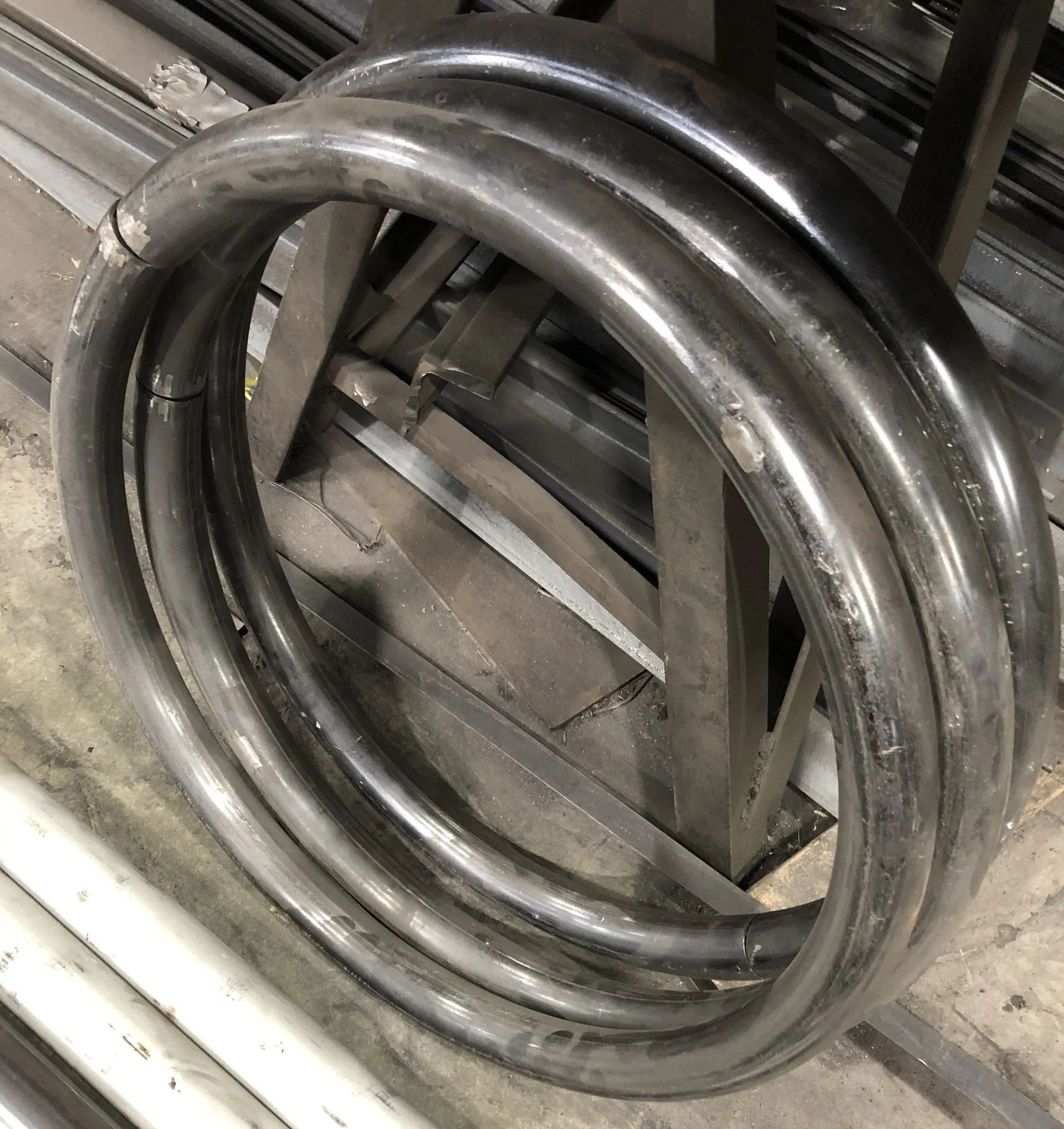
Channel rolling is a process where steel is passed through rollers to form a channel shape, which looks like a "C" or "U". This shape gives the metal added strength, making it ideal for use in construction. The rolling process realigns the steel's structure, enhancing its durability and performance. As a result, steel becomes more suitable for demanding construction needs, whether for beams, frames, or structural supports.
Why Channel Rolling Matters
Stronger Materials
One of the key benefits of channel rolling is how much stronger it makes the steel. The process allows the metal to withstand heavier loads, ensuring that it holds up over time. This added strength is essential in construction, especially for commercial and industrial projects that involve large, heavy structures. By using channel rolled steel, builders can feel confident that the materials they are working with will meet safety standards and stand the test of time.
Cost Savings
Channel rolling also offers a cost-effective solution for construction projects. It reduces the amount of material needed to achieve the same level of strength. The process is efficient and cuts down on waste, making it a more affordable choice. It also speeds up the whole process of installation, as it is extremely easy to handle and quickly integrates into the structure. As a result, the overall cost of the project is lowered without compromising on quality.
Versatility for Different Designs
The versatility of channel rolled steel is another reason it’s so widely used. Builders can use it for a variety of structural elements, including beams, frames, columns, and supports. With custom-made sizes and shapes of steel adapting to the needs of the project, it is almost applicable in all kinds of construction. A lot of flexibility and adaptability was thus offered by channel rolling despite the complexity of the design.
Improved Structural Integrity
Channel rolled steel helps improve the overall integrity of a structure. The channel shape creates better points for connecting different parts of the building. These stronger connections enhance the stability and safety of the structure, especially when dealing with large spans or heavy machinery. Whether it’s a commercial office building or an industrial facility, using channel rolled materials ensures that the entire structure remains secure and well-supported.
Durability in Harsh Conditions
In several industrial and commercial projects, buildings are exposed to harsh weather, chemicals, or heavy machinery. Channel rolled steel is more resistant to corrosion and other mechanical damage. Consequently, it holds up well against wear and tear and requires little maintenance during its life. This extra durability is really worthwhile in the long term.
Applications of Channel Rolling
Channel rolled steel is used in numerous constructions. In commercial buildings, it’s often used to create structural frames, supports, and beams. For industrial construction, it controls support of heavy machinery and equipment. The ability of channel rolled steel to bear heavy forces and wear makes it indispensable in both settings.
Channel rolling is a technique that enhances the strength, cost-effectiveness, and versatility of materials used in construction. It improves structural integrity, provides flexibility in design, and ensures the durability of the final product. Builders across industries rely on channel rolled steel for creating safe, reliable, and long-lasting structures. Whether constructing a commercial building or an industrial facility, channel rolling offers an essential solution for meeting the demands of any project.