Understanding Plate Rolling: What It Is and Why It Matters in Metal Fabrication
Metal fabrication continues to evolve as industries push the limits of strength, durability, precision, and efficiency. Among the many processes that shape modern infrastructure, plate rolling stands out as one of the most versatile and technically demanding. From massive pressure vessels and ship hulls to architectural features and structural supports, rolled metal plate quietly supports critical systems we rely on every day. Understanding how this process works — and why it matters — helps builders, engineers, and decision-makers make smarter choices about materials, design, and performance.
Unlike simple bending or cutting,
plate rolling requires skill, calibrated equipment, and an understanding of material behavior under stress. When done correctly, it produces consistent curves and cylinders without compromising integrity. When done poorly, it creates weak points, distortion, or costly rework. As fabrication expectations continue rising across energy, manufacturing, construction, and transportation, plate rolling has become an essential competency. This guide explores what plate rolling is, how specialists approach it, and the practical considerations that influence quality, safety, and long-term value.
1. Plate Rolling Fundamentals
What Plate Rolling Actually Means
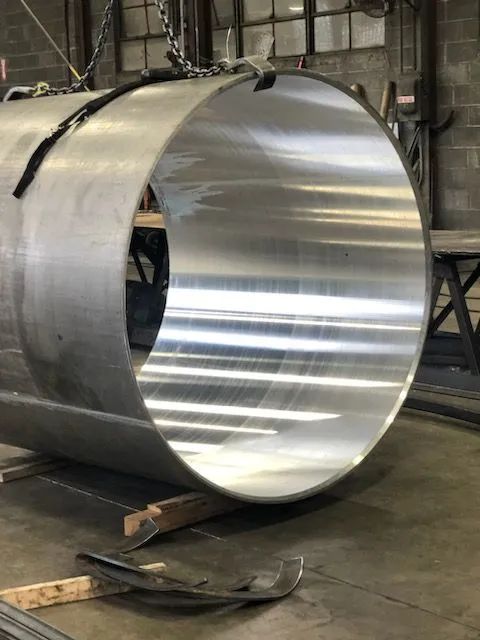
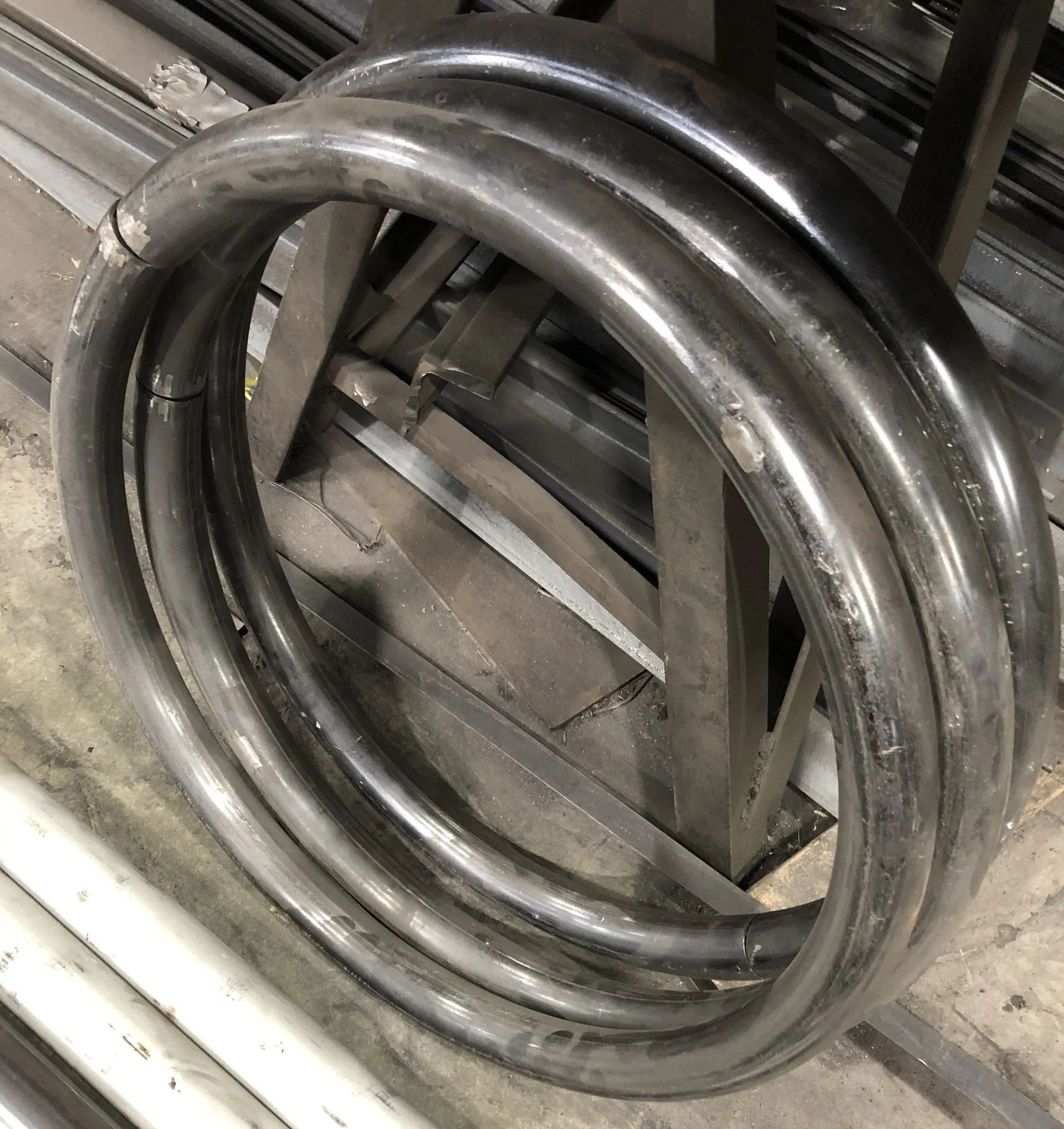
Plate rolling is the controlled process of forming flat metal plate into curved shapes using a set of powered rolls. These rolls apply force gradually, feeding the material back and forth until the desired curvature is achieved with consistent accuracy and reliability throughout production. In most fabrication shops, you’ll encounter three-roll and four-roll machines. Both rely on pressure and repetition, but four-roll systems typically provide greater precision and easier material handling for demanding applications.
Materials Commonly Used
Most shops roll carbon steel, stainless steel, and aluminum, though specialty alloys are increasingly common across advanced manufacturing sectors today. Each material responds differently to pressure and heat, which is why experienced operators adjust speeds, roll pressure, and passes accordingly for safer forming control. Softer metals require less force but are more susceptible to surface marking; harder grades demand more power and careful monitoring to avoid cracking or spring-back under stress.
Why Rolling Is Different from Bending
Traditional bending concentrates force at a single line, creating a sharp angle and localized stress conditions. Plate rolling distributes force across the sheet, producing smooth, repeatable curves. This makes it ideal for cylindrical tanks, cones, ductwork, silos, and countless structural applications in critical environments. Strong understanding of material science separates basic metalworking from professional plate rolling — and that difference shows in final performance outcomes everywhere.
2. Where Plate Rolling Adds Real Value
Industrial Applications with Measurable Impact
Plate rolling shows up in industries where reliability is everything and long-term performance cannot be compromised:
- Oil & gas and chemical processing: tanks, pressure vessels, containment systems operating safely.
- Power generation: boiler shells, heat exchangers, wind tower sections supporting energy infrastructure.
- Transportation: rail cars, ship sections, truck tanks moving heavy loads efficiently.
- Construction and architecture: curved beams, canopies, and decorative steel assemblies enhancing design.
In each case, rolled components must withstand pressure, vibration, and environmental exposure over long service lifecycles. Precision in the rolling stage directly influences how welds behave, how loads distribute, and how long components last in service without premature failure.
Enhancing Structural Efficiency
Curved shapes often carry loads more evenly than flat structures in engineered assemblies. Cylindrical tanks resist internal pressure more effectively. Arched supports transfer forces efficiently with less material needed. By using plate rolling strategically, fabricators reduce weight, improve stability, and optimize cost without compromising strength or long-term durability in demanding conditions.
Example: Pressure Vessel Fabrication
Consider a facility that needs a large industrial pressure vessel. Proper rolling ensures the seams align perfectly for welding, minimizing distortion and reducing the risk of stress concentrations under operating pressure. If the rolling is inconsistent, the vessel may require time-consuming correction or, worse, fail inspection at critical stages. The right process saves labor, avoids delays, and improves long-term safety and reliability for end users.
3. Challenges and Mistakes to Avoid
Material Spring-Back and Distortion
One of the biggest challenges in plate rolling is spring-back — the natural tendency of metal to partially return to its original shape after pressure is removed during forming. Skilled professionals anticipate this behavior by slightly over-rolling and compensating based on thickness, grade, and diameter requirements established in the design specification. Distortion occurs when pressure is not evenly distributed or when material has inconsistencies. Operators must constantly check measurements and adjust machine settings to maintain uniform results on every pass.
Edge Cracking and Work Hardening
Rolling thick or hardened plate increases the risk of micro-cracking at edges, especially in colder environments or uncontrolled shop conditions. Controlled pre-heating, gradual passes, and the right roll configuration help mitigate this risk effectively and consistently. Overworking the material can also cause work hardening, making subsequent forming or welding more difficult and unpredictable during fabrication.
Misalignment and Cone Errors
When plates feed unevenly, one side may curve tighter than the other, creating a cone rather than a cylinder that meets specifications. Accurate squaring, proper tack welding, and alignment checks before final rolling reduce problems that can cost hours of rework and additional inspection. The takeaway: plate rolling is not simply “run it through the machine.” It is controlled engineering supported by discipline and expertise.
4. Best Practices for Quality Plate Rolling
Accurate Planning and Engineering Review
Successful projects begin before any material touches the rolls. Engineers evaluate diameter requirements, tolerances, weld joint placement, and intended service environment to plan correctly. Clear drawings, realistic tolerance expectations, and knowledge of applicable standards guide the process from start to finish, helping teams avoid unnecessary risks and corrective work.
Machine Selection and Setup
Matching the machine to the job is critical for predictable outcomes. Rolling beyond a machine’s rated capacity increases risk and shortens equipment life significantly over time. Properly crowned rolls, calibrated controls, and clean surfaces help ensure smooth, uniform pressure across the sheet during each cycle. Operators also verify tooling cleanliness and alignment to avoid surface defects that show up later during finishing or inspection processes.
Incremental Rolling and Continuous Inspection
Rather than forcing metal into shape quickly, experienced technicians use multiple passes, gradually tightening curvature to protect material integrity. Between passes, they verify diameter, squareness, and edge condition. This disciplined approach yields accuracy while protecting material integrity and ensuring consistent geometry throughout production.
Safety as a Core Principle
Plate rolling involves heavy materials and powerful machinery operating at high force levels. Best-in-class shops implement lock-out procedures, pinch-point controls, material handling protocols, and operator training. Safety is not an afterthought — it is built into every step and reinforced daily across the fabrication environment.
5. Advanced Capabilities and Innovation
CNC-Controlled Rolling
Modern CNC and digitally assisted rolling systems increase accuracy by automating feed speeds, roll positions, and repeatable program settings across multiple runs. This reduces human error and allows shops to deliver tighter tolerances for complex components that require precision consistency throughout the entire fabrication workflow.
Rolling Thick and Large-Diameter Plate
High-capacity machines with reinforced frames and hydraulic systems make it possible to roll extremely thick plate for heavy-duty applications in industrial environments. Specialized handling equipment supports safe movement and positioning, especially for oversized cylinders that require coordination and controlled lifting procedures at every stage.
Integrating Rolling with Other Fabrication Processes
Plate rolling rarely stands alone as a single isolated operation. It connects with cutting, beveling, welding, machining, stress relieving, and finishing to complete assemblies. When fabrication teams collaborate seamlessly, the result is consistent, predictable quality throughout the product lifecycle and improved performance in the field.
6. Choosing the Right Plate Rolling Partner
What to Look For
When selecting a fabrication partner, prioritize:
- Demonstrated experience with projects similar to yours and industry requirements
- Documented quality standards and inspection processes that are enforced
- Capacity for your thickness, width, and diameter requirements reliably
- Skilled operators and engineering support available for consultation
- Transparent communication and realistic timelines that respect project needs
Why Expertise Matters
Rolling mistakes are expensive and often difficult to correct. Re-cutting plate wastes material. Re-rolling risks weakening the metal. Failed inspections delay entire projects and impact downstream schedules. Working with proven specialists helps avoid these pitfalls while ensuring components perform the way engineers intended under operational conditions.
Plate rolling is more than a manufacturing step — it is a precision-driven discipline that shapes reliability into the structures and equipment our industries depend on. From handling material characteristics to managing tolerances and anticipating stress behavior, success depends on experience, planning, and quality control. When executed correctly, plate rolling delivers stronger components, safer systems, and better value across the project lifecycle.
Organizations that understand the nuances of this process are better positioned to design smarter, reduce waste, and achieve dependable long-term performance. Whether you work in construction, energy, transportation, or manufacturing, appreciating how plate rolling works helps you make informed decisions that support both safety and efficiency.
Experienced Metalworking Team Delivering Consistent, Verified Outcomes
For more than a century, Harvey Brothers Inc. has built its reputation on craftsmanship, problem-solving, and dependable results in Cincinnati, Ohio. With 100 years of knowledge passed through generations, the company approaches plate rolling and complex metal fabrication with the care of seasoned professionals and the precision expected in modern industry. Their team understands that every rolled component connects to a larger purpose — structural integrity, operational reliability, and client trust. Drawing on advanced equipment, disciplined processes, and deep technical insight, they deliver solutions that align with engineering intent and industry standards. Customers rely on their ability to manage demanding tolerances, guide projects from concept through completion, and communicate clearly at every stage. When quality, safety, and accountability matter, partnering with an experienced fabricator makes all the difference. Harvey Brothers Inc. stands as a capable, trustworthy resource committed to supporting projects with workmanship built to last.